
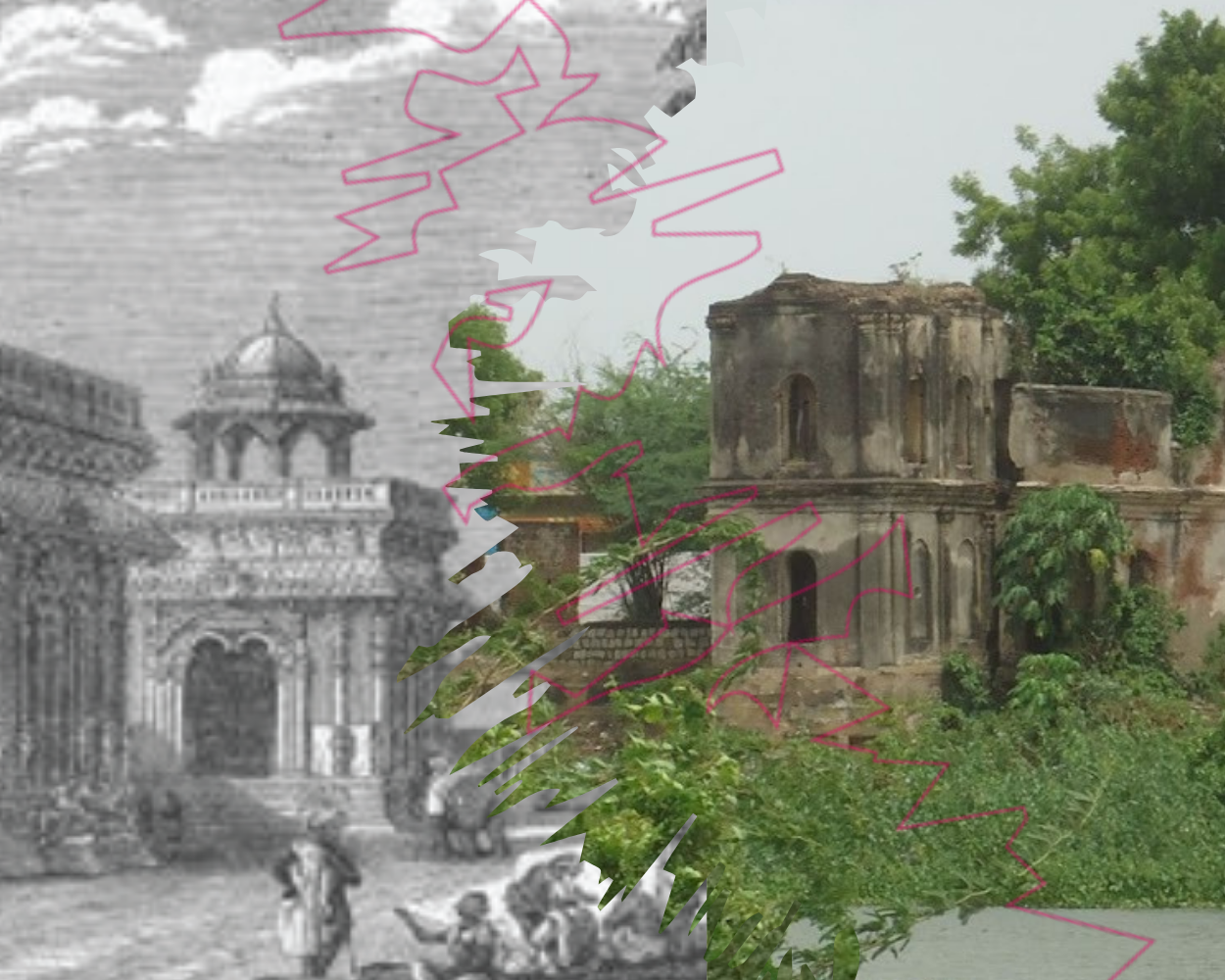
From Europe to India: Tracing cultural routes across continents
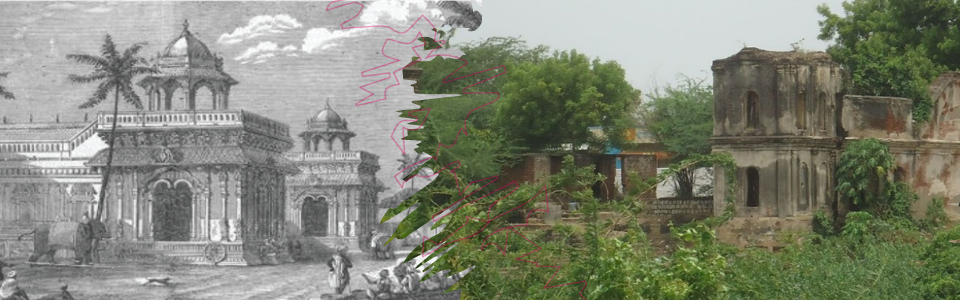
In this article, Lakshmi tells the story of a forgotten pilgrimage route in Tamil Nadu, India. It builds on the research undertaken during her Master’s thesis, which provides a detailed exploration of the Chatrams’ historical development, architectural typologies, patronage patterns, and cultural significance. She engaged with local communities through a survey and interviews. Seventy responses captured perceptions of the heritage’s value, personal connections to it, assessments of the Chatrams’ condition, and ideas for their future.
In an increasingly interconnected and digital context characterised by accelerated lifestyles and leisure practices, the cultural heritage tourism sector confronts a growing tension between economic viability and meaningful engagement. Participatory approaches to heritage preservation can bridge this divide, positioning heritage as both a community-centered asset and a generator of economic, social, and educational benefits.
Along the forgotten pilgrimage route of Tamil Nadu, India, the historic rest houses known as Chatrams offer a timeless lesson on how heritage can drive community renewal. These structures tell a story of movement, hospitality, and shared heritage facing the pressures of modern development.
Rural heritage facing global pressures
Cultural heritage landscapes are confronted by remarkably similar pressures across regions as different as Europe and India, such as expanding urbanisation (see foresight analyses for the EU and India), shifting mobility patterns, climate risks and the growing tension between tourism and local well-being.
These challenges revolve around a central question: How can heritage move beyond preservation and become an active catalyst for sustainable territorial development? While policy contexts differ, the search for answers increasingly demonstrates that heritage-led transformation is most resilient when rooted in community participation, landscape thinking, and long-term regional vision.
“Our rural areas are the fabric of our society and the heartbeat of our economy.” – 2021 Communication from the European Commission, A long-term Vision for the EU’s Rural Areas – Towards stronger, connected, resilient and prosperous rural areas by 2040
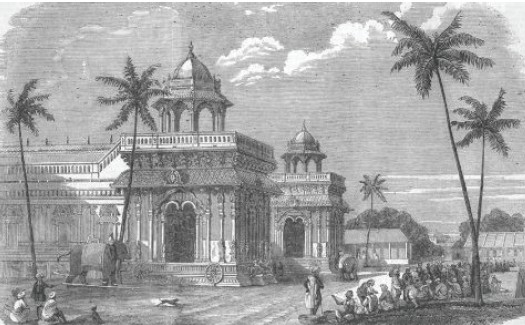
Understanding the Chatrams: a forgotten network of cultural infrastructure
The Chatrams are a series of historic rest houses built primarily during the Maratha period (17th–19th centuries) in Tamil Nadu, India’s southernmost region. It is strategically located along the Kashi-Rameswaram pilgrimage route, which connects the North and the South of India, offering pilgrims a place to pause and reconnect with both their spiritual journey and the world around them. During their period of active use, schools within these compounds educated the young, hospitals provided care, and raw rations were distributed to families in need, making these structures integral to both religious and community lives. Far from being isolated buildings, they formed an interconnected system, much like Europe’s historic inns, monasteries, way stations along pilgrimage routes such as Camino de Santiago, Via Francigena, etc.
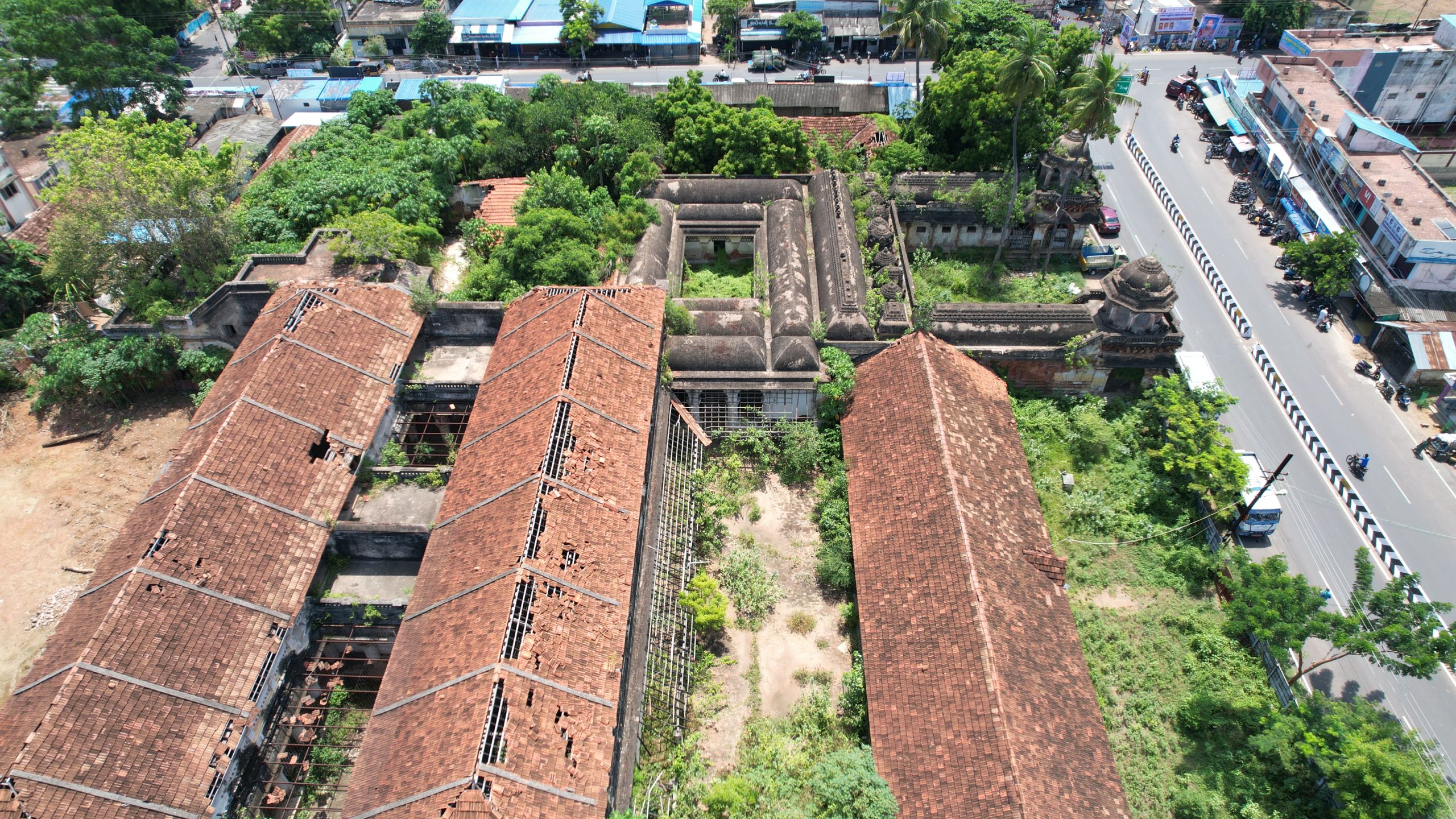
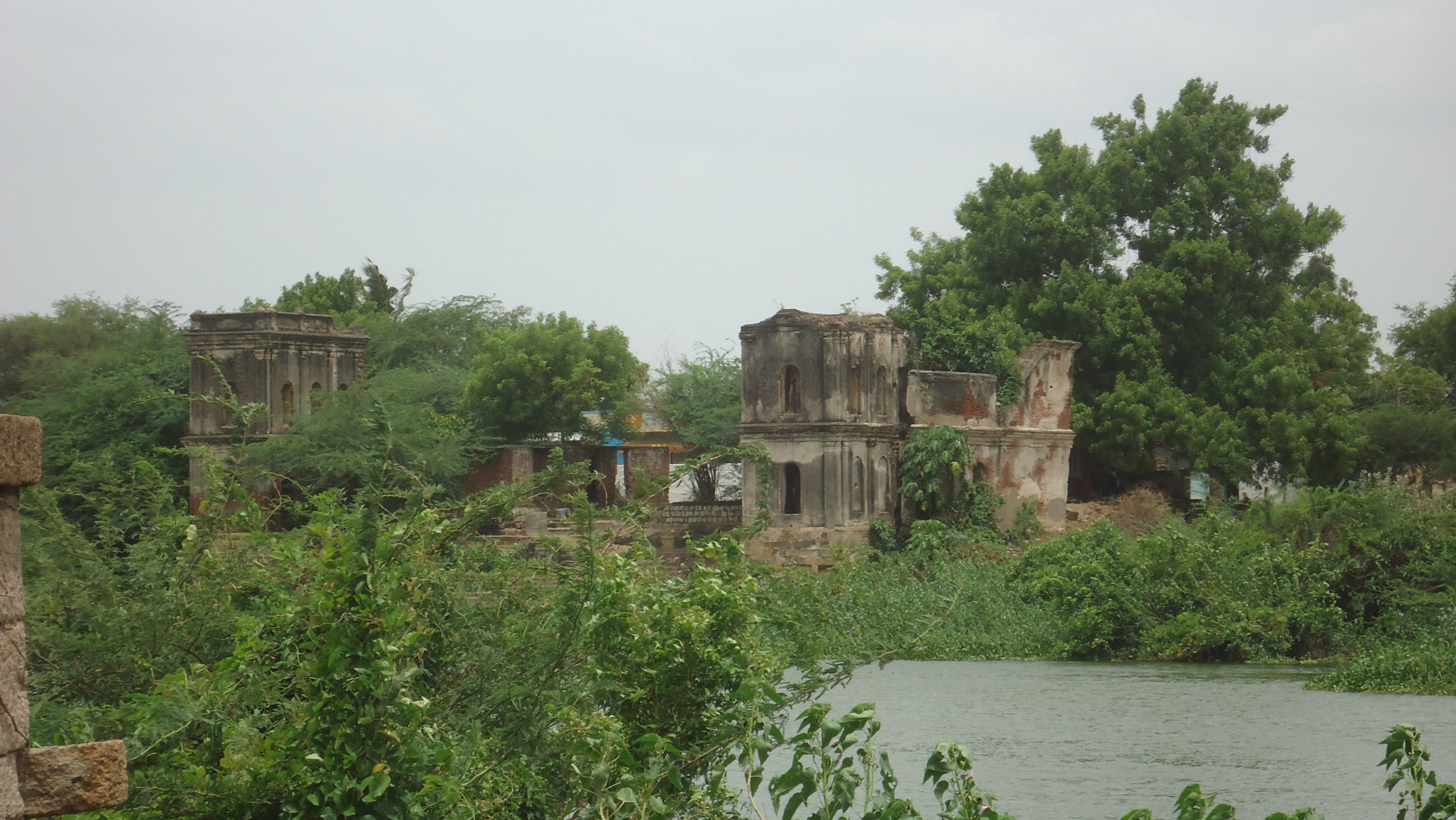
Today, many Chatrams are deteriorating under the combined pressures of illegal rural settlements, fragmented governance, and unregulated development. These challenges resonate with those confronting European rural heritage areas. Rapid peri-urbanisation around Thanjavur has transformed once-rural landscapes, disrupting their historic settings. Water systems have become fragmented. Traditional routes have been replaced by new mobility patterns and changes in social practices have reduced everyday connections to these spaces.
Yet, within this vulnerability lies possibility: with the right planning and community involvement, the Chatrams could be rediscovered as catalysts for sustainable tourism, local revitalisation and cultural relations.
Participatory approach to revitalise local heritage
The local communities engaged through this research expressed a strong sense of loss and nostalgia for the Chatrams’ historical role, while recognising their current disrepair and abandonment. Many proposed repurposing them for public and community use, reflecting a desire to reintegrate these sites into the city’s social and cultural fabric. Calls for preservation were widespread, pointing to a strong willingness among residents to engage in conservation efforts.
What the Chatrams’ story tells us is that connecting with local populations allows for a very accurate assessment of the state, potential, and social value of cultural heritage, without which proper future planning would not be relevant. Second, the success of cultural heritage revitalisation largely depends on the acceptance and support of the local community, necessitating the inclusion of diverse stakeholders such as local residents, institutions, government bodies, and public and private organisations.
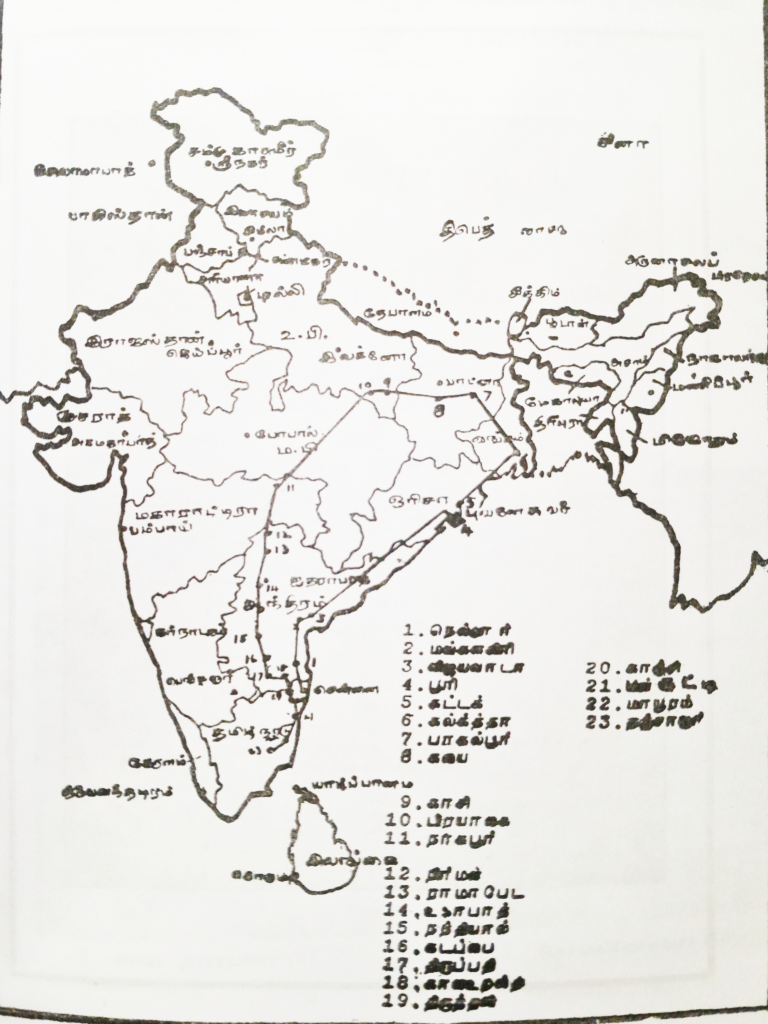
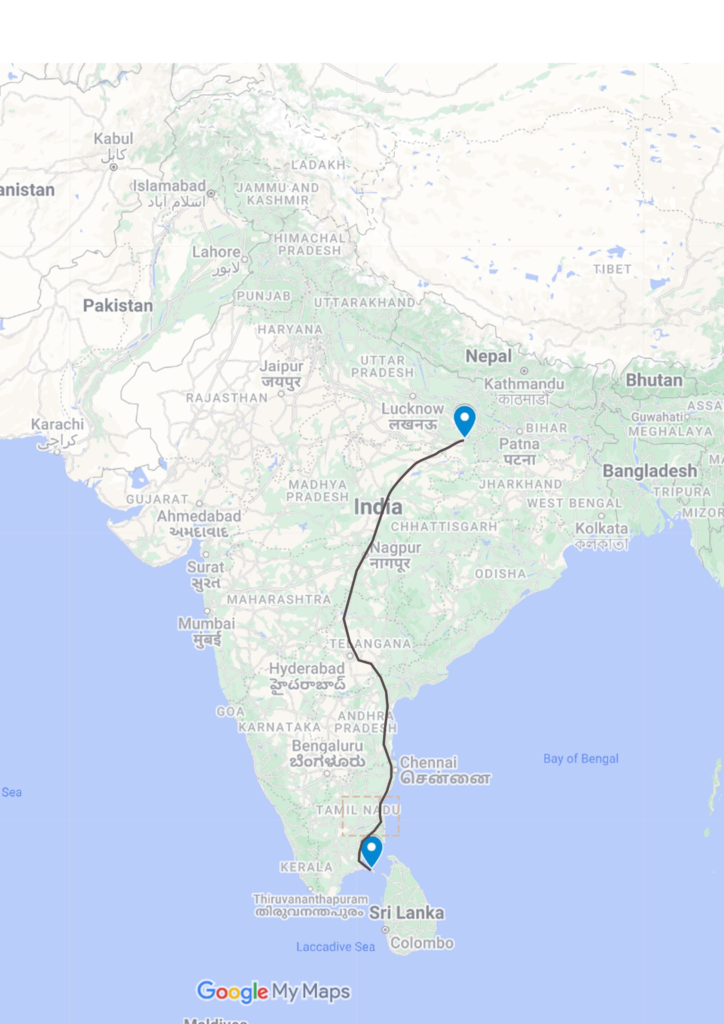
A coherent strategy for reinstating Chatrams along the Kashi–Rameshwaram pilgrimage route
The sustainable future of the Chatrams relies on their state of conservation, potential uses, and profitable management as heritage sites. The city of Thanjavur, with its layers of historical palimpsests, has a high potential to boost the Chatrams through conservation efforts and provide economic benefits to the community.
There is both scope and expectation for local authorities, cultural institutions, and private stakeholders to come together in a collaborative effort. This includes the Chatram Administration, the Tamil Nadu State Department of Archaeology (TNSDA), the Department of Tourism, the Thanjavur Palace Devasthanam, and private Chatram owners, working jointly to design a coherent plan to integrate and enhance Chatrams as part of existing cultural routes. Such collaboration would help identify opportunities for joint funding initiatives, facilitate access to public and private grants, and uncover potential EU funding streams and joint projects.
To sustain public interest and attract investment, an online platform could provide real-time updates, shared documentation, and virtual meetings. Community engagement in the restoration process also requires raising awareness of the Chatrams’ historical significance and their link to the pilgrimage route, particularly given that many current residents are immigrants from neighbouring towns and villages. Collecting oral histories and archival material from residents would deepen understanding of the heritage and local dynamics, while helping to revive collective memory and strengthen community attachment to the town.
Towards a transregional conversation
Revitalising the Chatrams is not only about conserving historic structures. It is about imagining a future in which rural heritage landscapes become active participants in regional development, not relics of the past. The Chatrams of Tamil Nadu remind us that heritage —whether in Europe or India— thrives when it is lived, experienced, and shared.
Sustainability has anchored the EU’s international cultural relations since 2016, gaining renewed momentum through the New European Bauhaus and reaffirmed in the latest Culture Compass and the future EU’s 2026 Sustainable Tourism Strategy. Europe’s cultural routes demonstrate that rural heritage’s valorisation is possible through coordinated planning, community partnership, and creative tourism strategies. Promoting sustainability remains central to the EU’s partnerships worldwide and should be pursued for and through the cultural sector, enabling the EU to act as a pioneer and inspiration in this field while learning from its partners and strengthening diverse cultural and heritage approaches. Additionally, Council of Europe’s cultural routes demonstrate that rural heritage’s valorisation is possible through coordinated planning, community partnership, and creative tourism strategies.
Cultural perspectives could be integrated into the EU-India Sustainable Urbanisation Policy Dialogue Partnership. Bringing Indian experiences into dialogue with European frameworks enables mutual learning and transregional exchange on how heritage can inspire sustainable tourism, how rural landscapes can regain relevance and how cultural relations can be enriched through shared challenges.
The views expressed in this article are personal and are not the official position of culture Solutions as an organisation.